Coastal Weather Systems, Tides & Seasonal Planning
A maritime station stay is fundamentally shaped by barometric pressure, prevailing winds, and oceanic tides. Here is how to choose the season that matches your coastal temperament.
The Dynamic Nature of Headland Microclimates
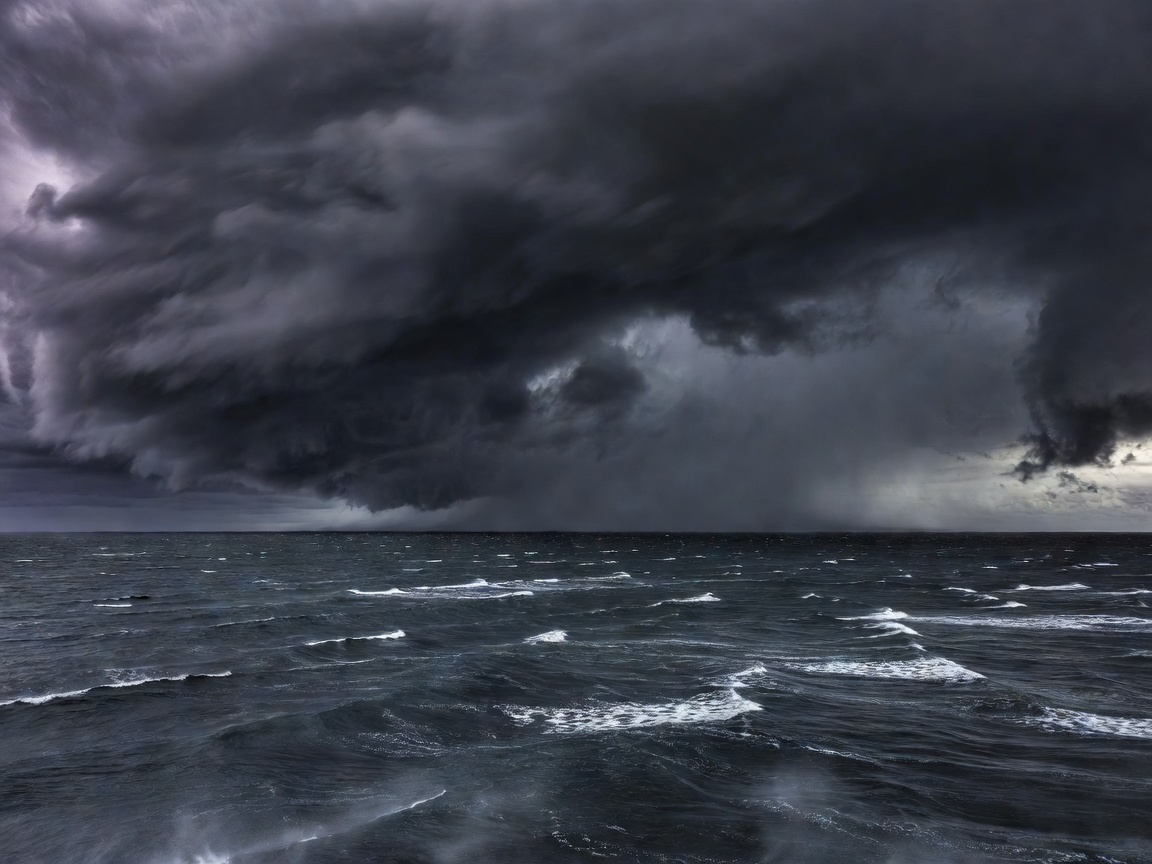
When we visit a lighthouse station, we step out of inland weather buffer zones. Because lighthouses occupy the most exposed extremities of continents—rocky capes, peninsular points, and offshore reefs—they create their own distinct microclimates. Air moving unimpeded across hundreds of miles of ocean hits the sudden vertical resistance of a sea cliff, producing intense updrafts, sudden sea mists, and wind shears that do not exist even three miles inland.
Rather than treating headland weather as an obstacle to be avoided, seasoned coastal travellers treat atmospheric volatility as the primary attraction. A week at a lighthouse station offers a front-row seat to the planet's grandest atmospheric theatre: squall lines charging across the water like grey curtains, sudden shafts of gold sunlight illuminating turbulent shoals, and twilight skies saturated in lavender and sea-foam green.
Spring: Seabird Nesting and Changing Currents (March – May)
Spring brings dramatic renewal to coastal cliffs. In Northern and Western Europe, thousands of pelagic seabirds—including guillemots, razorbills, fulmars, and puffins—return from open sea migrations to establish breeding colonies on the sheer ledges immediately beneath station walls.
Weather in spring is notoriously volatile. Deep North Atlantic low-pressure systems alternate with crisp, crystalline days featuring seventy-mile visibility. Packing for a spring stay requires flexible layering: windproof shells, merino wool baselayers, and sturdy waterproof boots for traversing boggy headland footpaths.
Summer: Maritime Starlight and Gentle Swells (June – August)
Summer is the gentlest season for a lighthouse retreat. The sea relaxes into rolling, glassy swells, and evening temperatures remain mild enough for long hours seated upon stone parapets observing passing cargo vessels and local fishing fleets.
In high northern latitudes—such as the Scottish Highlands, Orkney, or Norwegian fjords—summer brings near-continuous daylight. Midnight twilight keeps the horizon faintly luminous, and the beacon's beam cuts a ghostly, elegant path through the lingering glow. However, summer is also the period of highest booking demand. Those seeking complete silence should note that nearby public headland paths may attract day-tripping coastal walkers.
The Romance of the Autumn Storm Watch (September – November)
For many dedicated lighthouse advocates—ourselves included—autumn is the ultimate season. As the autumnal equinox approaches, the North Atlantic and Bay of Biscay generate powerful depressions.
Experiencing a major gale from the sanctuary of a stone keeper cottage is unmatched. You shutter the outer windows against driving sea spray, light the wood stove, brew tea, and watch immense swells crash against the cliffs with concussive force. Autumn also brings the southward migration of migratory raptors and waders, making it an extraordinary window for birders.
Winter: Pure Isolation and Deep Darkness (December – February)
Winter at an exposed light station is not for the faint of heart, but for those craving profound solitude, it offers deep mental clarity. Daylight hours are compressed, transforming the lighthouse into its truest nocturnal self: a solitary guide standing watch over black, roiling seas.
Winter guests must be prepared for logistical contingencies. Gale-force winds may occasionally close causeway access roads or delay ferry transfers by twenty-four to forty-eight hours. Carrying extra non-perishable pantry provisions and maintaining flexible schedules is an essential ethical mindset for winter visitors.
| Season | Atmospheric Character | Sea State | Ideal For | Key Gear Needed |
|---|---|---|---|---|
| Spring | Rapidly shifting squalls & high clarity | Moderate to rough swell | Birdwatching & wild flower walks | High-grip boots, binoculars |
| Summer | Extended daylight, soft sea breezes | Calm to moderate swells | Families & relaxed sketching/writing | Sun protection, chart dividers |
| Autumn | Equinoctial gales & dramatic skies | High energy, breaking surf | Storm watching & photography | Heavy windproof parka, thermals |
| Winter | Total solitude, long starlit nights | Heavy swell, frequent storms | Deep focus, creative retreats | Reserve food rations, headlamp |