Keeper Quarters, Outbuildings & Headland Lodgings
From the Principal Keeper’s stone parlour to the converted compressor rooms and watch-halls, we explore the domestic character of historic European maritime stations.
The Layout of a Working Coastal Station
When travellers imagine a lighthouse stay, they often picture sleeping inside the beacon tower itself. While a handful of historic towers do contain tower suites, the overwhelming majority of accommodation at major European light stations is housed in the purpose-built domestic quarters located at the base of the tower or grouped within the walled station compound.
A full 19th-century offshore station was a self-contained hamlet designed to sustain two or three lightkeepers and their families in complete isolation for months at a time. The complex generally comprised:
- Principal Keeper’s House: Typically the largest lodging, appointed with polished brass hardware, a family kitchen, and direct interior corridor access to the tower base.
- Assistant Keepers’ Cottages: Mirrored semi-detached or terraced dwellings sharing laundry spaces and subterranean freshwater cisterns.
- The Fog Signal Building & Siren Room: A sturdy, sound-baffled masonry outbuilding housing diesel compressors or steam boilers that powered horn signals during heavy maritime fog.
- The Oil Store & Explosives Magazine: Detached, vaulted stone bunkers originally engineered to hold volatile kerosene and signal cordite safely away from family quarters.
Adapting Industrial Utility into Maritime Comfort
Today, these utilitarian structures have undergone sophisticated, sensitive conversions. Where fuel drums once sat, visitors now find generous communal dining tables constructed from reclaimed shipyard timber. Where assistant keepers tended brass dials and logbooks, quiet reading snugs look out over miles of uninterrupted horizon.
What sets keeper quarters apart from generic coastal hotels is their profound relationship with exterior space. Light stations were encircled by substantial stone drystone boundary walls, designed not to keep intruders out, but to shield children, kitchen gardens, and domestic animals from gale-force winds and accidental falls over sheer sea cliffs. Stepping into the station courtyard feels like entering an elevated sanctuary carved out of the raw headland.
What to Expect Inside a Preserved Station Cottage
Unlike luxury chain hotels with identical floor plans, historic station cottages are idiosyncratic. You will notice:
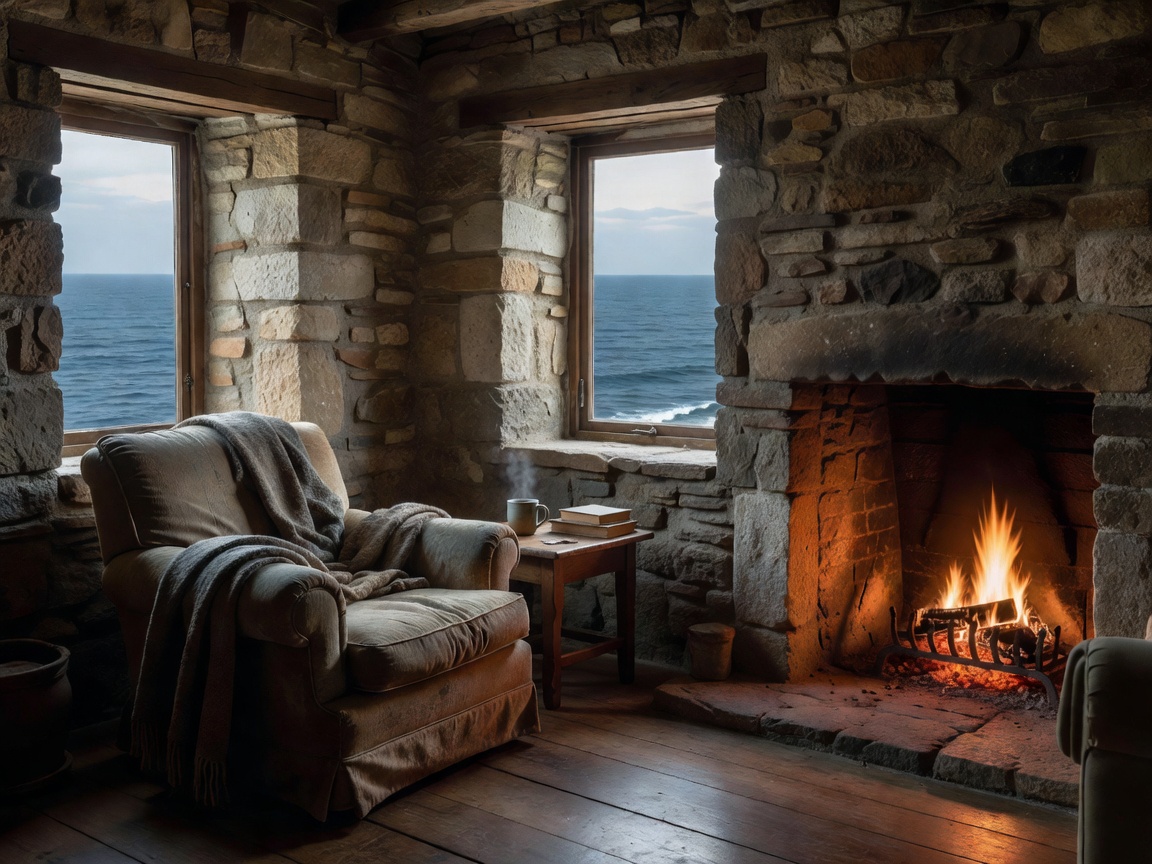
- Deep-Set Window Embraces: Walls often measure 60 to 90 centimetres in thickness, providing wide timber sills perfect for binoculars and marine chart reading.
- Original Iron Fireplaces: Many properties preserve restored wood-burning stoves or cast-iron grates that supplement modern central heating.
- Maritime Hardware: Heavy brass door-latches, deadbolts, and heavy exterior storm shutters designed to latch firmly under 70-knot winds.
- Lack of Excessive Digital Distractions: While Wi-Fi is increasingly standard, television is often consciously replaced by comprehensive libraries of marine navigation, ornithology, and local folklore.
Evaluating Different Quarters Configurations
Choosing the right lighthouse accommodation depends entirely on your group size, mobility needs, and desired atmosphere. Here is how European stations generally categorise their lodgings:
Tower Base & Annexe Suites
Directly connected to the beacon structure via covered stone passages. Excellent for couples and solo travellers seeking dramatic ocean vistas and historic atmosphere without climbing multiple flights daily.
Detached Keeper Cottages
Ideal for families or small groups of friends. Multiple bedrooms, private walled courtyards, full self-catering kitchens, and generous living areas that recreate authentic Victorian keeper life.
Atmospheric Reality: Solitude Over Room Service
We always urge guests to remember that keeper quarters are predominantly self-catering properties managed by maritime heritage trusts or independent stewards. You will not find room service, daily turn-down routines, or a concierge desk.
In exchange, you gain complete autonomy in one of the most evocative natural settings on earth. You brew your morning coffee as trawlers clear the headland at first light, cook evening stews while sea mist rolls over the perimeter wall, and listen to the rhythmic pulse of the beacon lantern cycling above your bedroom window.