Remote Island Logistics, Causeways & Self-Sufficiency
Staying at a remote offshore light station requires moving from passive tourism to active self-sufficiency. Learn how to plan tidal crossings, provisions, and resource stewardship.
The Psychology of Geographic Isolation
The allure of staying on an offshore island or a tidal headland lies in its definitive separation from modern bustle. When the rising tide covers the causeway sands or the open boat pulls back toward the mainland quay, a noticeable psychological shift occurs. You are suddenly reliant on the shelter you inhabit and the supplies you carried across the water.
We view this logistical independence not as an inconvenience, but as an essential part of the maritime adventure. Just as generations of lightkeepers calculated their coal, flour, and fresh water rations for months ahead, guests at isolated stations gain immense satisfaction from thoughtful self-reliance.
Understanding Tidal Windows and Water Crossings
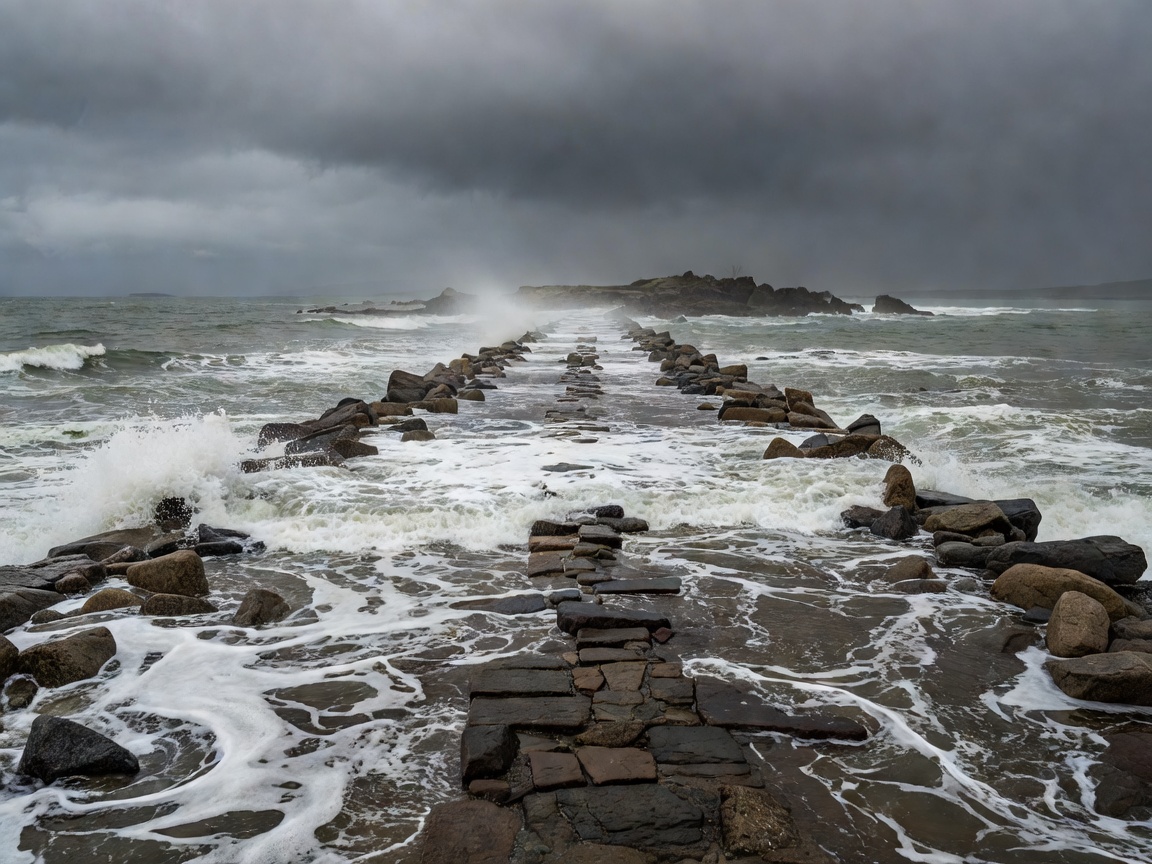
Many celebrated European light stations—particularly across Brittany, Normandy, the Irish Sea, and the Scottish Western Isles—are located on tidal islands accessible by road or sand causeway only at low water.
Tidal ranges in parts of Western Europe can exceed nine to twelve meters between high and low springs. Driving or walking across a tidal causeway demands strict adherence to local nautical tide tables:
- Safe Crossing Windows: Typically open between 2 hours before low water and 2 hours after, though specific locations vary with wind and barometric surge.
- Current Velocity: Flood tides along flat sands can advance faster than an adult can walk; never attempt to cross outside stated safe windows.
- Vehicle Precaution: Saltwater spray and wet sand degrade vehicle brake callipers and chassis; wash vehicles thoroughly after causeway journeys.
Offshore Boat Transfers: What to Expect
For true offshore rock stations or car-free island lights, arrival is by chartered RIB (rigid inflatable boat) or traditional wooden launch. Transfers depend entirely on swell height at the station’s landing derrick or slipway.
- Pack gear strictly in soft, waterproof dry-bags or duffels. Hard wheeled suitcases are hazardous on slippery stone boat slips.
- Always keep essential medications, warm layers, and personal electronics on your person inside sealed dry pouches during the transfer.
- Accept that swell conditions can shift rapidly. If your skipper advises waiting an extra half-day for safe disembarkation, embrace the maritime reality without impatience.
Provisions Planning: The Autonomous Kitchen
Because remote stations lack shops, cafes, and delivery services, provisioning your stay requires a thoughtful culinary strategy. We recommend planning a complete menu before departing the mainland port town:
Core Provisions Checklist
- High-protein pantry foundations (dried legumes, tinned fish, whole grains, nuts).
- Robust root vegetables (potatoes, squash, onions, carrots) that do not bruise easily during boat transport.
- Artisanal aged cheeses and cured meats that hold well without high refrigeration dependency.
- Generous coffee, loose-leaf tea, chocolate, and spices for long headland evenings.
Contingency Reserves
- 48 hours of emergency shelf-stable calories (oats, pasta, nut butters) in case weather delays your return transfer.
- Personal prescription medicines packed with at least 5 days of reserve supply.
- Rechargeable headlamps and backup power banks in case of minor off-grid station power cycles.
Resource Stewardship: Water and Off-Grid Power
Most remote lighthouse stations operate on closed resource loops. Fresh water is typically harvested from rainfall runoff over large slate roof catchment areas and directed through sand filtration tanks into historic subterranean stone cisterns.
While showers and modern plumbing are provided, conscious water conservation is expected of every guest. Taking brief navy-style showers, running dishwashers only when full, and immediately reporting any dripping fixtures helps ensure the cistern sustains the station through dry summer spells.
Similarly, power at remote stations is frequently supplied by a combination of solar photovoltaic arrays, coastal wind micro-turbines, and backup diesel generators. While you will easily charge laptops and cameras, high-draw heat appliances (such as heavy travel hair-dryers) are usually discouraged to protect inverter batteries.